What a Sandy Springs roof inspection actually looks like
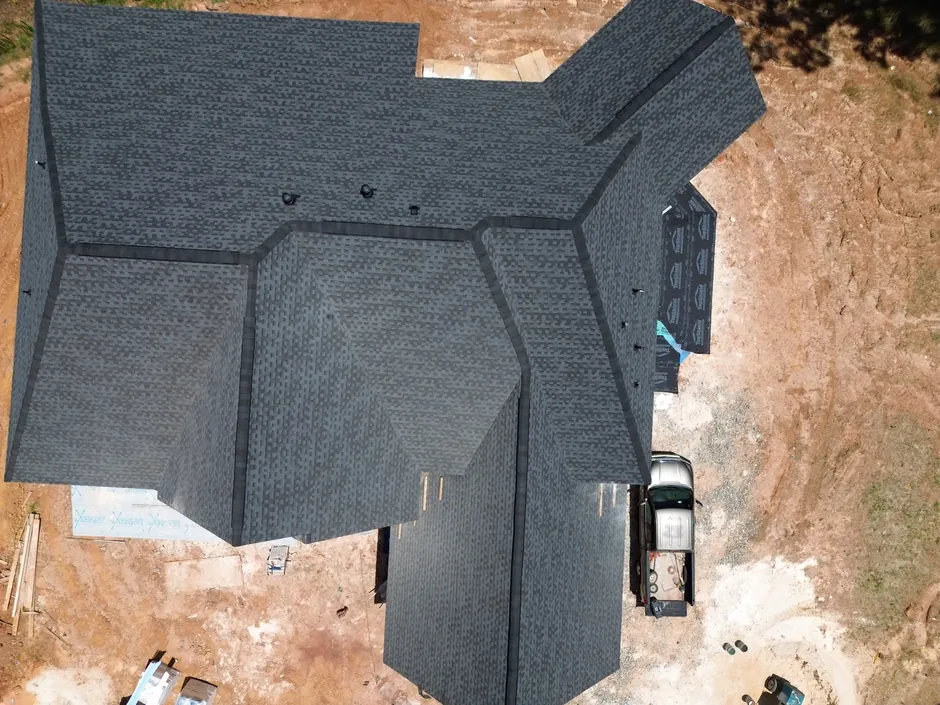
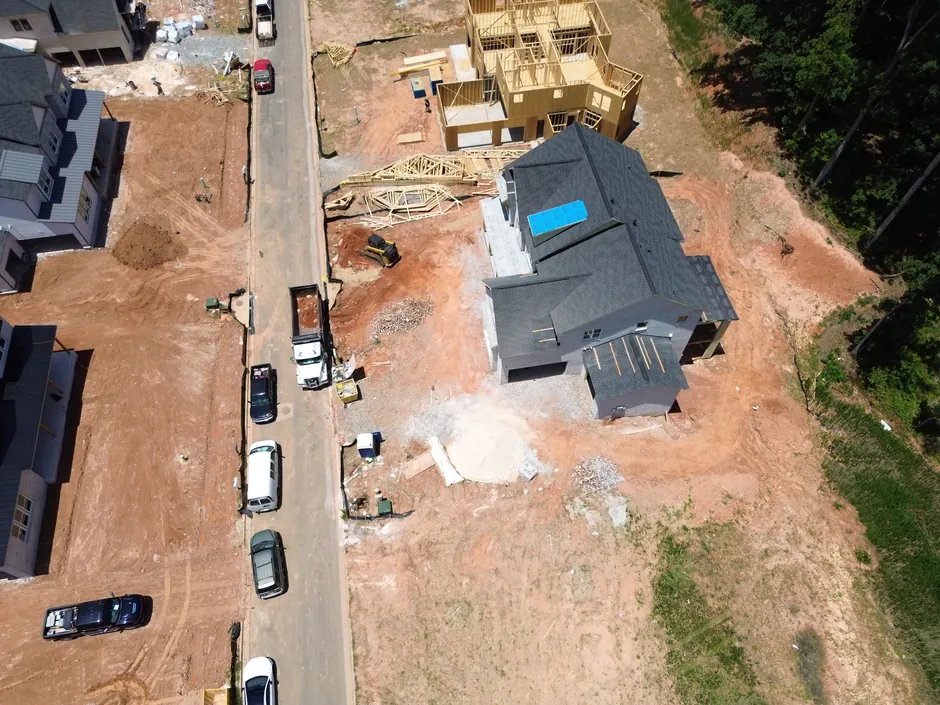
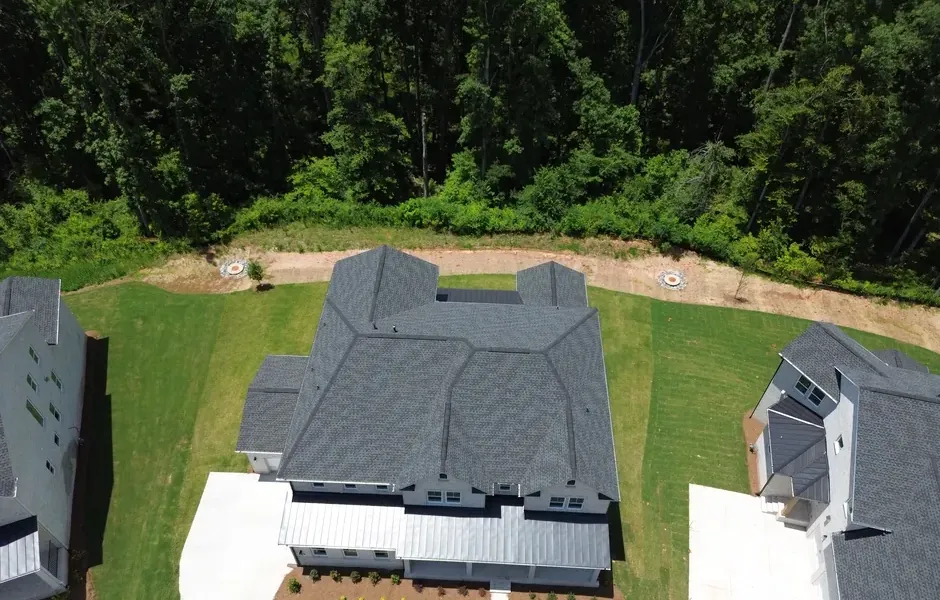
A good roof inspection is not a glance from the driveway. It is a slow, hands-on walk of the roof and a trip into the attic. Sandy Springs runs from 1960s ranch homes off Roswell Road to estate homes above the Chattahoochee River and high-rise condos near Perimeter Center, and each one ages differently. The inspector’s job is to read your specific roof and tell you, in plain terms, where it stands.
Here is what that walk covers and why each part matters.
The field of the roof
The shingles take the most abuse, so they get the most attention. The inspector looks for granule loss (the coarse, sandlike grit that ends up in your gutters), cracking, curling at the edges, and shingles that have lost their seal and lifted. On a south-facing slope, years of Georgia sun cook the asphalt and age it faster than the shaded sides. Bald spots and dark bruises usually mean hail.
Missing or torn shingles are the obvious problems. The subtle ones, a row that no longer lies flat or a seal that has let go, are the ones that let wind drive water underneath in the next storm.
Flashing and the spots that leak first
Most Sandy Springs leaks do not start in the open field of the roof. They start where the roof meets something else: a chimney, a plumbing vent, a skylight, or a valley where two slopes drain together. The metal flashing that seals those joints is the first thing to fail.
The inspector checks every penetration and every valley. Cracked pipe boots, rusted or lifted step flashing on a chimney, and an open valley seam are common findings on older homes near City Springs and Riverside. These are cheap to fix early and expensive to ignore.
The attic, from below
Half of a real inspection happens inside. From the attic you can see the roof’s underside, which tells a story the surface hides. Brown stains on the decking, daylight coming through where it should not, soft or spongy plywood, and damp insulation all point to water that is already getting in.
The attic also shows ventilation problems. Sandy Springs summers are hot and humid, and an attic that cannot breathe traps that heat and moisture against the underside of the roof. That bakes shingles from below and shortens their life. If the intake and exhaust are out of balance, the inspector will flag it.
Gutters and drainage
Gutters are part of the roof system, so they get checked too. Under Sandy Springs’ heavy tree canopy, they fill with leaves and pine needles fast. When they clog, water backs up under the shingle edge and rots the fascia, then spills over and pools against the foundation. The inspector looks at buildup, slope, loose hangers, and whether the downspouts actually carry water away from the house.
What you get afterward
A real inspection ends with a written report, not a sales pitch. It should include photos of anything the inspector found, a plain description of each issue, and a sense of what is urgent versus what can wait. After a hailstorm or windstorm, that same documentation becomes the backbone of an insurance claim.
The honest part is the recommendation. Not every aging roof needs to be torn off. If targeted repairs will buy you several more good years, a trustworthy inspector says so. Replacement makes sense when the damage is widespread, repairs have become a recurring expense, or the roof has simply run out its lifespan.
When to schedule one
Twice a year is a reasonable rhythm in Sandy Springs: once in spring before storm season, once in fall after the leaves drop. Add an inspection any time a major hail or wind event rolls through North Fulton, even if nothing looks wrong from the ground. Hail damage is easy to miss and easy to document while the storm date is still fresh.
If your roof is past fifteen years, has never been inspected, or you are buying a home, that is reason enough to get eyes on it.
Who does the inspection
Best Sandy Springs Roofer is a local roofing company serving Sandy Springs and Metro Atlanta, operated by North Atlanta Roofing. We install GAF and CertainTeed systems, and our inspections are free and carry no obligation, with the report yours to keep whether or not you hire anyone. Call (470) 777-7344 or schedule online.
Wondering what this means for your budget? Get an instant roof estimate for Sandy Springs, priced from your home's actual roof size, or run a quick storm damage and insurance check.