Roof Leak Repair in Sandy Springs, GA: Found at the Source, Fixed Once
A ceiling stain is the last chapter of a story that started somewhere else on the roof. Water gets in at a flashing edge, a nail pop, a worn valley, then travels rafters and decking until it finds drywall to ruin, which is why leak repairs that chase the stain instead of the source come back every wet season. Roof leak repair in Sandy Springs starts with tracing, ends with a targeted fix, and gets documented in photos at both ends. Repairs start at $250, the inspection is free, and the goal is simple: one visit, one repair, no round two.

Water lies about where it came from, so the tracing has to be honest
Leak work for Best Sandy Springs Roofer is handled by our own North Atlanta Roofing team, the local roofing company behind this site. We install GAF and CertainTeed systems and back our repairs with a written workmanship guarantee. Our crews have traced leaks through every kind of Sandy Springs roof: 1960s ranch hips near the City Springs district, steep contemporaries under the hardwood canopy off Riverside Dr, two-story traditionals in North Springs with thirty-year-old valleys.
The method never changes. Start inside at the evidence, follow the moisture uphill through the attic to the highest wet point, then confirm the entry on top of the roof, water-testing when the source refuses to show itself. Guesswork gets people three repairs. Tracing gets them one.
Leak tracing that works uphill from the stain
Water runs downhill along rafters, underlayment, and decking seams before it drops, so the stain on your ceiling can sit ten feet from the actual breach. Our crew reads the attic first: moisture trails, rusted nail tips, matted insulation, daylight where daylight should not be. Only after the trail tops out does anyone diagnose from the roof surface, which is how a repair lands on the true entry point instead of the loudest symptom.
Repairs priced in writing before anyone starts cutting
Once the source is confirmed, you get a written, itemized quote: what failed, what it takes to fix it, what it costs, starting at $250 for straightforward repairs. Photos from the attic and the roof come with it, so you can see exactly what you are paying to fix. No discovered-damage surprises, no scope creep, and a workmanship guarantee behind the finished repair.
Flashing, valleys, and penetrations cause most of it
Shingles get blamed for leaks they rarely cause. On Sandy Springs roofs the usual culprits are the transitions: step flashing along walls and chimneys that has lifted or lost its seal, valleys where two slopes drive their water into one worn channel, and the penetrations every roof carries, plumbing vent boots with cracked neoprene, satellite mounts, attic fans, skylight perimeters. Each one is a joint where dissimilar materials meet, and joints fail before fields do. Repairs go at the assembly, not just the surface: new metal woven into the shingle courses, ice-and-water shield under rebuilt valleys, new boots and collars on penetrations, drip edge and sealant details finished the way manufacturers spec them.
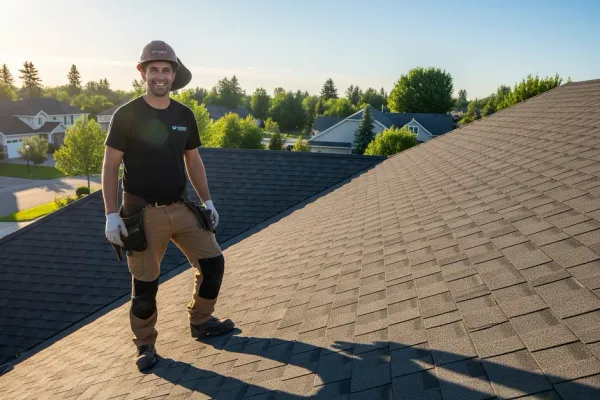
The attic tells on a roof before the ceiling does
By the time a stain blooms on drywall, water has usually been working the attic for months. Sandy Springs attics make good witnesses: dark streaks down rafters, compressed and crusted insulation, a musty edge to the air, frost-free nail tips gone orange with rust. Some of that moisture is not even a roof leak. Georgia humidity plus a poorly vented attic condenses on the underside of decking and mimics one, and treating condensation with roof cement wastes everyone's time. Every leak visit includes an attic pass with moisture readings, separating true intrusion from ventilation problems, and flagging soaked insulation that needs replacing before it feeds mold.
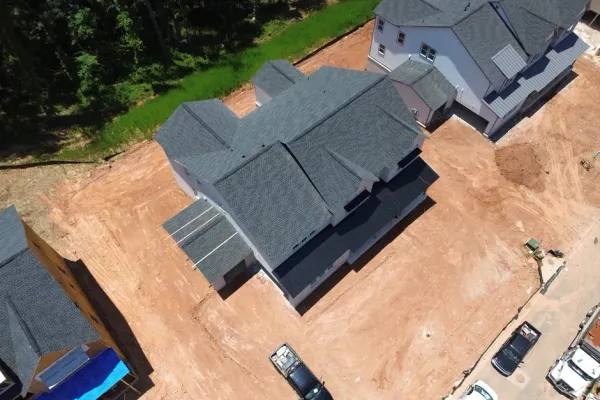
Ceiling stains get triaged, not guessed at
Not every stain is an active emergency, and honest triage saves money. A brown ring that has not changed in a year is history, worth confirming and monitoring. A stain that darkens after every storm is an active leak on a schedule. A sag, a drip, or paint bubbling with water is an urgent problem that needs same-week attention before the drywall lets go. Our crews grade what they find, water-test when the history is unclear, and tell you plainly which category you are in. Sometimes the answer is a $250 boot replacement and a repainted patch. The point of triage is that you find out before committing to anything larger.

Heavy canopy hides leaks longer on wooded lots
Shade changes how leaks behave. On the steep wooded lots that run toward the Chattahoochee on the west side of Sandy Springs, hardwood canopy keeps north-facing slopes damp for days after rain, feeds moss that lifts shingle edges, and drops a constant sift of leaves and catkins into valleys and behind chimneys. Debris dams push water sideways under the shingle field, uphill of flashing lines, producing leaks in the middle of otherwise sound roofs. Homes under heavy tree cover in Sandy Springs benefit from a different rhythm: valleys and dead corners cleared seasonally, boots and flashings checked more often, and small limb bruises inspected after storm season instead of discovered two winters later as rot.
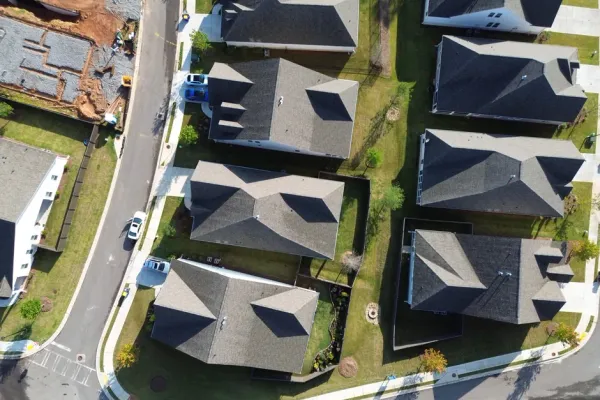
Leaks are the most common roofing call in Sandy Springs, and the most commonly botched. The pattern repeats all over Fulton County: a stain appears, a handyman caulks the nearest suspect, the stain dries up for a month, and the water quietly keeps working somewhere upstream of the patch. By the third round the drywall is coming down and the decking under the real entry point is soft. None of that is bad luck. It is what happens when the repair skips the tracing.
Old roofs on wooded ground leak in predictable places
Sandy Springs gives water plenty of opportunities. The housing stock runs heavily to the 1960s through the 80s, which means original valleys, aging step flashing, and plumbing boots on their second or third decade. Add the terrain, steep wooded lots under heavy hardwood canopy, and the failure map writes itself: debris-packed valleys near the Chattahoochee, moss-lifted shingle edges on shaded north slopes, chimney flashing that has outlived its sealant on the ranches around City Springs, and wind-driven rain finding sidewall gaps on exposed two-stories up the GA-400 corridor in North Springs. Afternoon thunderstorms do the stress-testing all summer, and the freeze-thaw swings of a Georgia winter pry open whatever the storms started. A crew that works these streets every week already knows where to look, which is most of why tracing here goes fast.
What a leak visit looks like from your side
You point at the stain, and the crew disappears into the attic. Expect flashlights, moisture meters, and photographs of things you will never personally crawl to: rafter trails, wet decking seams, the rusted nail line under a failing valley. Then ladders go up outside and the suspect areas get checked from on top, with a hose test if the entry point will not confess on its own. What comes back to you is a diagnosis in plain language with photos, a written price, and a category: fixable now for a few hundred dollars, part of a larger roof repair scope starting at $499, or evidence the roof is simply done. Chimney-sourced water gets handed to the chimney repair side of the crew for flashing and masonry work, and if a storm just opened the roof up outright, emergency roof repair tarps it day or night before any of the slower conversation happens.
Repair the leak, or stop paying to keep an old roof alive
Most leaks end with a repair. Some end with arithmetic. When a roof past its 25th year starts leaking in a second and then a third place, each fix is buying months instead of years, and the honest move is comparing repair spending against replacement cost. You can price a full replacement from your phone in about a minute, measured from satellite imagery of your actual roof, then check current repair and service numbers on the prices page and decide with real figures in front of you. Our crews make the same comparison out loud during the inspection, and they will tell you when a repair is still the smart money. Either way, the leak stops, the file closes with photos, and the ceiling gets to be just a ceiling again.
Price the fix while the stain is still small
Every wet season a leak survives makes the eventual repair bigger. A free inspection traces the water to its source, grades how urgent it really is, and prices the fix in writing, starting at $250. If the tracing turns up a roof near the end instead, you will know that too, with numbers instead of pressure.
Not sure what a new roof runs? Estimate your roof cost in Sandy Springs, measured from satellite imagery, or run a storm & insurance damage check.